TPUPrusa
Compare with other TPU filaments
Find the best filament for your project
* Affiliate link: We may earn a commission if you purchase through this link – at no extra cost to you. Learn more
* Prices include VAT, plus shipping. We may earn a commission if you purchase through these links – at no extra cost to you. Last updated recently.
No price data available
No reviews yet
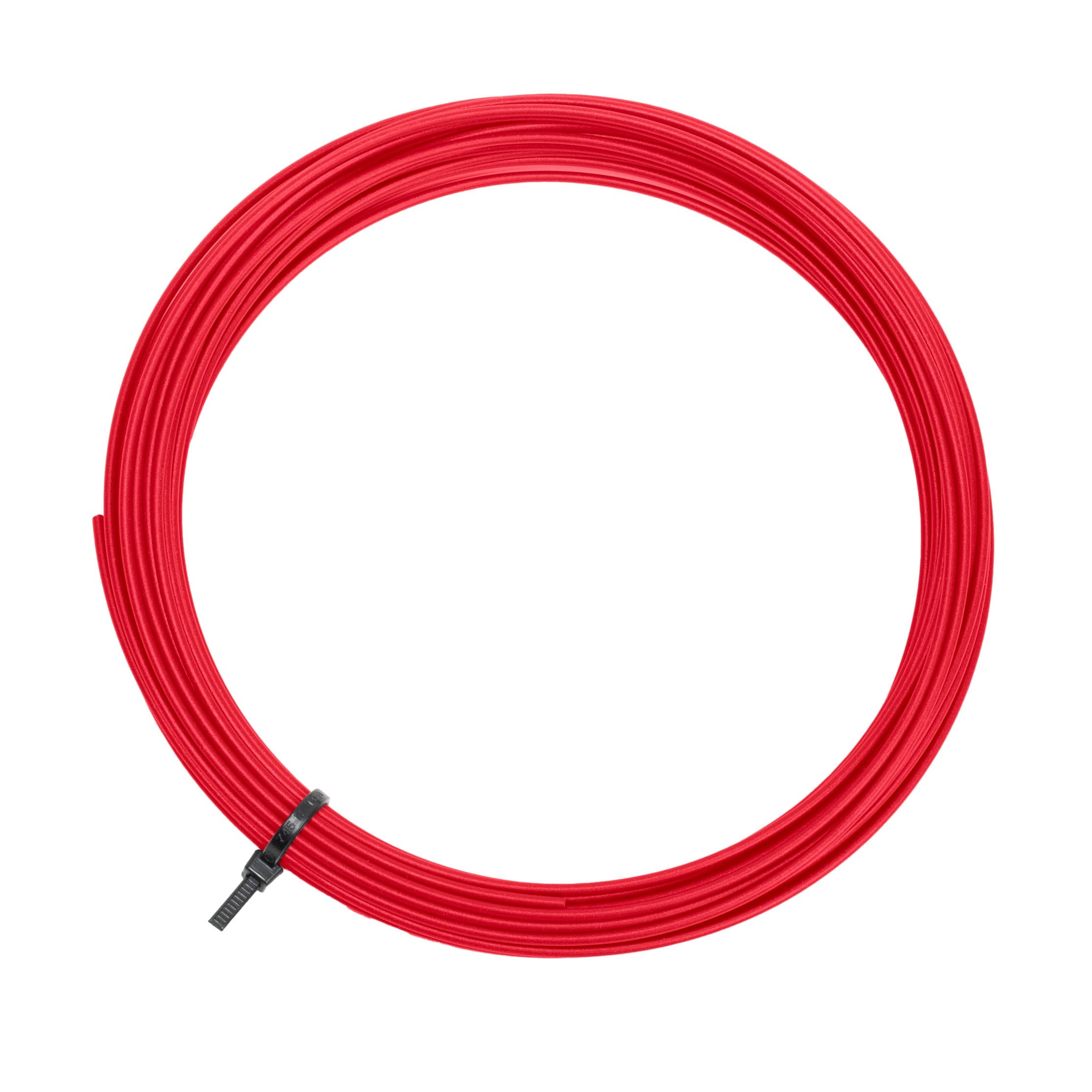
Prusament TPU 95A in Lipstick Red is a premium Thermoplastic Polyurethane filament, distinguished by its exceptional flexibility and toughness. With a Shore hardness of 95A, this filament offers the perfect balance between elastic deformability and mechanical stability, making it highly versatile. The vibrant lipstick red adds an appealing aesthetic to printed objects. For optimal results, a printing temperature between 220 °C and 245 °C along with a heated bed temperature of 50 °C to 60 °C is recommended. Due to its flexibility, a Bowden setup is less suitable; instead, a Direct Drive extruder is recommended to ensure reliable feeding. Prusament TPU 95A is ideal for functional prototypes, seals, phone cases, dampening elements, and other applications requiring elasticity. Strengths include high abrasion resistance, oil and grease resistance, and excellent impact resistance. Limitations may include a tendency for stringing, which can be minimized through precise retraction and speed settings. Additionally, printing speed is lower compared to rigid materials like PLA or ABS.
Material TypeThe base polymer type determines printability, strength, flexibility, and heat resistance
TPU
Print TemperatureRecommended nozzle temperature range. Stay within range for best layer adhesion and surface quality
220°C - 245°C
Bed TemperatureHeated bed temperature to prevent warping. Some materials like PLA can print without a heated bed
50°C - 60°C
Diameter1.75mm is standard, 2.85mm for some printers
1.75 mm
Spool WeightNet weight of filament on the spool. Standard spools are 1kg (1000g)
1000g
DensityMaterial density affects part weight. Higher density = heavier prints for the same volume
1.21 g/cm³