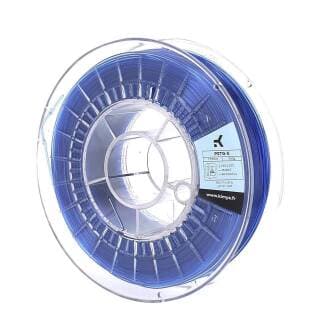
PETGKimya
Compare with other PETG filaments
Find the best filament for your project
affiliate.disclosure affiliate.learnMore
* Prix TTC, hors frais de livraison. Dernière mise à jour récente. Liens affiliés.
Les prix sont susceptibles de changer. Les données historiques sont fournies à titre indicatif uniquement.
Aucun avis pour le moment
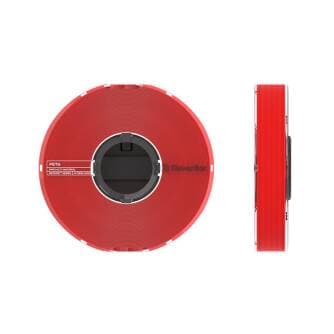
PET (polyethylene terephthalate) is one of the most widely used plastics in the world. PET can be found, for example, in everyday items such as water bottles, food containers, and packaging. The plastic is also often used for applications that require high transparency. The PETG-S available here is a glycol-modified PET. This means it is slightly more impact-resistant than pure PET and prints significantly better and more easily. PETG-S is an amorphous plastic that offers the perfect balance of flexibility and mechanical strength. The material is not moisture-sensitive and offers exceptionally good layer bonding. This filament from the French manufacturer is ideal for creating simple fixtures or mounts. PETG is often used to produce parts where standard PLA is insufficient. PETG offers higher temperature resistance (80°C) and better mechanical strength. PETG is also frequently used in prototyping, both by home users and in industrial applications.
Type de matériauThe base polymer type determines printability, strength, flexibility, and heat resistance
PETG
Température d'impressionRecommended nozzle temperature range. Stay within range for best layer adhesion and surface quality
225°C - 225°C
Température du plateauHeated bed temperature to prevent warping. Some materials like PLA can print without a heated bed
60°C - 60°C
Diamètre1.75mm is standard, 2.85mm for some printers
1.75 mm
Poids de la bobineNet weight of filament on the spool. Standard spools are 1kg (1000g)
750g
DensitéMaterial density affects part weight. Higher density = heavier prints for the same volume
1.27 g/cm³