Retour au catalogue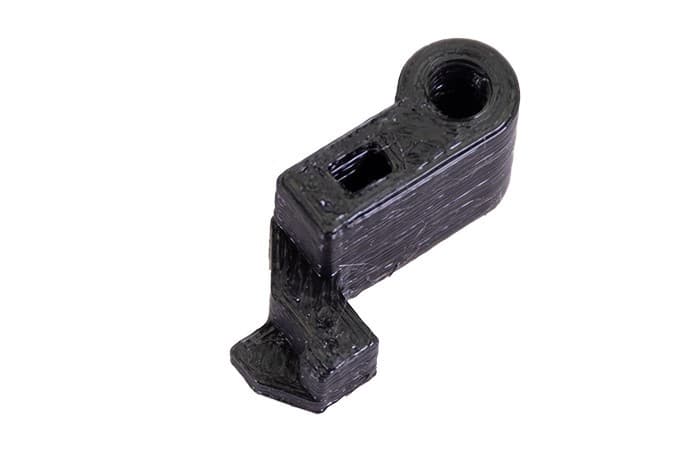 PETG
PETG
PETGPrusa
FILAMENT SENSOR LEVER MK3S+
0.0
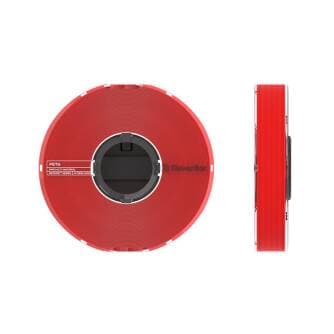
This premium PETG filament is specifically tailored for printing the lever for the Prusa Research Filament Sensor MK3S+. PETG (Polyethylene Terephthalate Glycol-modified) combines the beneficial properties of ABS and PLA: it offers high impact strength and heat resistance while being as easy to print as PLA and featuring excellent chemical resistance. The material is characterized by low shrinkage, making it ideal for functional prints requiring high mechanical stability. For optimal results, we recommend a nozzle temperature between 230 °C and 250 °C and a heated bed set to 75–85 °C. Active part cooling is advisable to ensure clean overhangs and fine details. Due to its stability and toughness, this filament is perfect for mechanical parts, enclosures, and tools that need to withstand daily wear and tear. Please note that PETG can be prone to stringing, which can be minimized by fine-tuning retraction settings. Adequate ventilation of the print space is also recommended, as PETG may release acetic acid at high temperatures. This spool contains 1 kg of material in a standardized 1.75 mm diameter, precisely wound for consistent feeding.
Key Features
- High impact strength and durability
- Low shrinkage and excellent dimensional stability
- Good chemical and thermal resistance
- Optimized for functional Prusa MK3S+ spare parts
- Easy to print with minimal warping
Prix le plus bas€3.85chez Brand Direct
1 offreSpécifications techniques
Type de matériauThe base polymer type determines printability, strength, flexibility, and heat resistance
PETG
Température d'impressionRecommended nozzle temperature range. Stay within range for best layer adhesion and surface quality
230°C - 250°C
About the Manufacturer
Compare with other PETG filaments
Find the best filament for your project
* Affiliate link: We may earn a commission if you purchase through this link – at no extra cost to you. Learn more
Comparaison de prix
1 offreBR
Brand DirectMeilleur prix
In Stock
€3.85
Livraison gratuite
* Prix TTC, hors frais de livraison. Dernière mise à jour récente. Liens affiliés.
Aucune donnée de prix disponible
Avis
Aucun avis pour le moment