ASA
ASAKimya
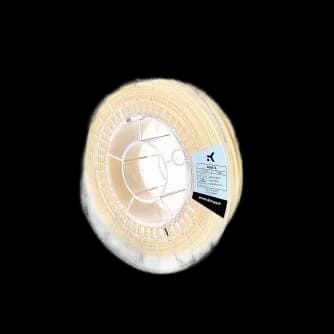
Kimya ASA-S Natural 2.85 mm 500 g
0.0(0 Reviews)
Natural
Kimya ASA-S Natural is a premium 3D printing filament based on Acrylonitrile Styrene Acrylate, specifically engineered for outdoor applications. Unlike standard ABS, ASA offers excellent UV resistance, ensuring that printed parts do not yellow or become brittle even with prolonged sun exposure. The material is characterized by high weather resistance and robust mechanical properties. For optimal results, a printing temperature between 240 °C and 260 °C and a heated bed temperature of 80 °C to 100 °C are recommended. Due to its tendency to warp, using an enclosed build chamber is advisable to minimize heat loss and prevent layer separation. Kimya ASA-S is ideal for functional prototypes, enclosures for electronic components, automotive accessories, and decorative outdoor applications. Its strengths include high heat deflection temperature and ease of processing when following ASA-specific settings. A potential limitation is the emission of styrene fumes during printing, requiring adequate ventilation. With a spool weight of 500g, it provides ample material for a wide range of projects.
Key Features
- Excellent UV and weather resistance for outdoor use
- High thermal resistance and mechanical strength
- Natural color with a smooth, matte surface finish
- Reliable dimensional accuracy of 2.85 mm diameter
- Reduced warping compared to standard ABS
Available Colors
RedNatural
Lowest Price€27.37at IGO3D
1 offerTechnical Specifications
Material TypeThe base polymer type determines printability, strength, flexibility, and heat resistance
ASA
Print TemperatureRecommended nozzle temperature range. Stay within range for best layer adhesion and surface quality
240°C - 260°C