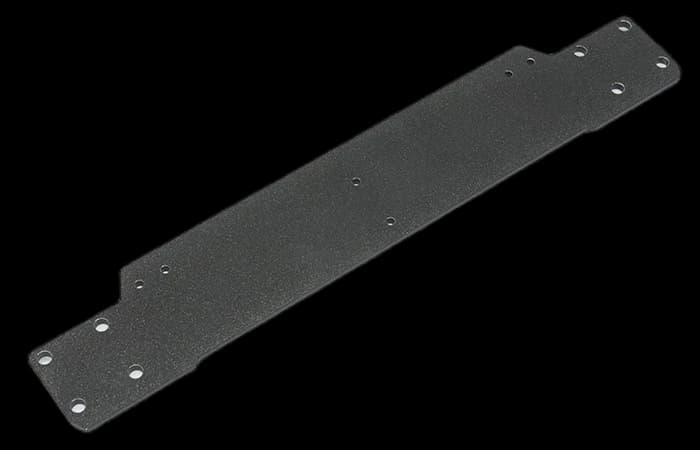
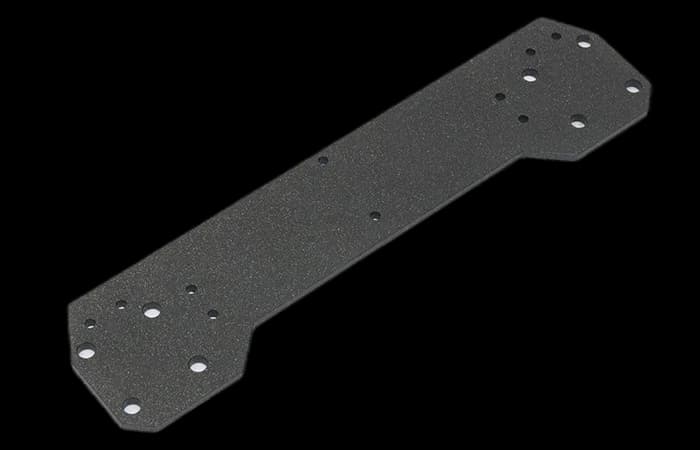
The Prusa Filament Guide is a high-quality accessory specifically designed for use with Prusa 3D printers. Although the material is classified as "OTHER," it typically consists of a durable plastic that ensures precise filament guidance from the spool to the extruder. This product minimizes friction and vibrations, resulting in a smoother filament flow and improved print quality. Recommended print settings may vary depending on the specific material, but a print temperature between 190°C and 220°C, along with a bed temperature of 50°C to 60°C, are often suitable. The Filament Guide is particularly useful for applications where reliable filament feeding is crucial, such as printing fine details or long print jobs. Its strengths include easy installation, durability, and enhanced print reliability. A potential limitation is that the material may not be suitable for extremely high temperatures, which could slightly restrict its range of applications. Overall, the Prusa Filament Guide is an essential accessory for anyone looking to optimize their 3D printing results.
 OTHER
OTHER
![[Replacement] Coupling for 3018-PROVER, 3018-MX3](/_next/image?url=%2Fapi%2Fuploads%2Fproducts%2F717%2Fno-bg%2Faffiliate_001.webp&w=3840&q=75)