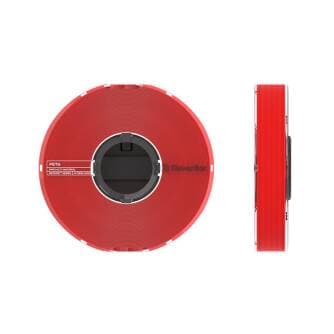
Prusa LABEL PLATE PETG Filament is a high-quality 3D printing material specifically designed for creating labeled plates, faceplates, and organizational items. This filament combines the excellent mechanical properties of PETG with a surface finish optimized for labeling—whether via laser engraving, marker, or printing. PETG (Polyethylene Terephthalate Glycol-modified) is known for its high impact strength, toughness, and thermal resistance, making it ideal for functional parts used daily. Compared to ABS, PETG is odorless during printing and less prone to warping. For optimal results, a nozzle temperature between 230 and 255 °C and a heated bed temperature of 75 to 90 °C are recommended. A heated print bed is essential to ensure good adhesion, potentially assisted by glue stick or spray. The material is perfect for applications requiring clear labeling, such as drawer tags, shelf labels, industrial signage, or enclosures with label fields. Key strengths include high chemical resistance and ease of printing, while a limitation is its sensitivity to moisture; it should be thoroughly dried before printing to prevent defects.
 PETG
PETG