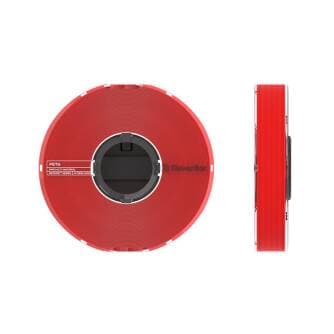
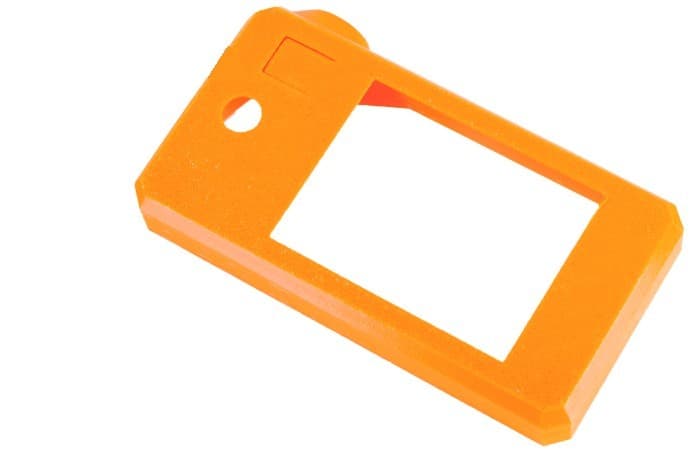
The Prusa MINI DISPLAY BOX ORANGE PETG filament is a top-tier choice for those seeking durable and visually striking 3D prints. PETG (Polyethylene Terephthalate Glycol-modified) combines the ease of printing of PLA with the heat resistance and toughness of ABS, making it one of the most versatile materials in 3D printing. This filament stands out with its vibrant, bold orange, perfect for decorative items, display cases, or functional parts that demand attention.
Recommended printing temperatures range from 230 °C to 250 °C, while a heated print bed set between 70–85 °C ensures optimal adhesion. Due to its low shrinkage, PETG is slightly prone to stringing, so fine-tuning retraction and Z-Hop settings is advised. It is ideal for mechanical parts, enclosures, storage boxes, and objects intended for outdoor or humid environments. PETG emits minimal odor during printing and is biodegradable, though proper ventilation is recommended. Despite its many strengths, PETG is not as heat-resistant as ABS and may deform at higher temperatures, so adhering to the recommended settings is key to achieving the best results.
 PETG
PETG