 PLA
PLABambu Lab
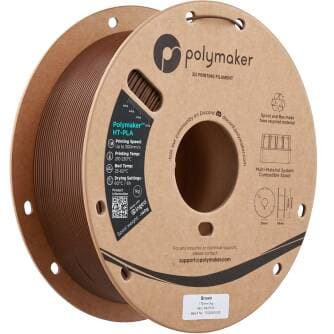
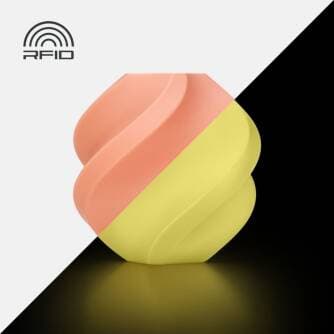
Bambu Lab PLA Glow Orange 1,75 mm 1.000 g
0.0(0 Reviews)
Orange
Bambu Lab PLA Glow in Orange is a premium 3D printing filament based on PLA that stands out for its vibrant glow-in-the-dark effect. This material combines the ease of printing of standard PLA with fascinating optical effects, making it ideal for creative projects and decorative applications. Thanks to its excellent flow properties and low shrinkage, this filament is particularly user-friendly and suitable for beginners. The recommended printing temperature is between 190 and 230 °C, while the heated bed temperature should be set between 0 and 60 °C. For optimal results, we recommend using a heated print bed to ensure good adhesion. The material is perfect for decorative objects, toys, Halloween decorations, or safety markings that need to be visible in the dark. Its strengths include easy handling, low thermal deformation, and intense luminosity after short light exposure. Limitations exist in terms of mechanical stress and heat-resistant applications, as PLA has lower impact resistance and heat deflection temperature compared to engineering plastics like ABS or PETG. Dry the filament before printing to minimize moisture effects and ensure print quality.
Key Features
- Leuchtstarkes Glow-in-the-Dark Filament in Orange
- Einfache Verarbeitung und hohe Druckgenauigkeit
- Perfekt für dekorative Anwendungen und Spielzeug
- Geringe Schrumpfung und gute Haftung
- Kompatibel mit den meisten gängigen 3D-Druckern
Lowest Price€27.99at IGO3D
1 offerTechnical Specifications
Material TypeThe base polymer type determines printability, strength, flexibility, and heat resistance
PLA
Print TemperatureRecommended nozzle temperature range. Stay within range for best layer adhesion and surface quality
190°C - 230°C