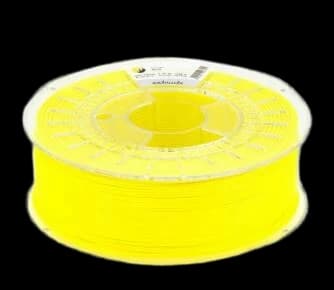
PETGExtrudr
Compare with other PETG filaments
Find the best filament for your project
* Affiliate link: We may earn a commission if you purchase through this link – at no extra cost to you. Learn more
* Prices include VAT, plus shipping. We may earn a commission if you purchase through these links – at no extra cost to you. Last updated recently.
Prices may change. Historical data is for reference only.
No reviews yet
PETG has a very high mechanical load capacity as well as flexibility with good stiffness at the same time. The layer adhesion of the material is excellent with sufficient heat and low cooling. PETG is suitable for slightly advanced users, as a heating bed and enclosed build space is recommended, especially for large components (over 10x10x10 cm). The material has a glassy appearance and is available in intense colors.
Material TypeThe base polymer type determines printability, strength, flexibility, and heat resistance
PETG
Print TemperatureRecommended nozzle temperature range. Stay within range for best layer adhesion and surface quality
10°C - 10°C
Bed TemperatureHeated bed temperature to prevent warping. Some materials like PLA can print without a heated bed
70°C - 80°C
Diameter1.75mm is standard, 2.85mm for some printers
1.75 mm
Spool WeightNet weight of filament on the spool. Standard spools are 1kg (1000g)
10g
DensityMaterial density affects part weight. Higher density = heavier prints for the same volume
1.27 g/cm³