ASAExtrudr
Compare with other ASA filaments
Find the best filament for your project
* Affiliate link: We may earn a commission if you purchase through this link – at no extra cost to you. Learn more
* Prices include VAT, plus shipping. We may earn a commission if you purchase through these links – at no extra cost to you. Last updated recently.
Prices may change. Historical data is for reference only.
No reviews yet
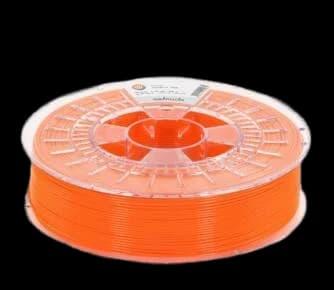
Extrudr DuraPro ASA in Neonorange is a premium 3D printing filament based on Acrylonitrile Styrene Acrylate, specifically engineered for outdoor applications. Compared to standard ASA, DuraPro offers enhanced toughness and impact strength, allowing for the creation of durable functional parts. The material impresses with excellent UV and weather resistance, ensuring that the vibrant Neonorange tone does not fade even under direct sunlight. ASA is also known for its high heat deflection temperature and low emissions during printing, as it does not release styrene unlike ABS. Recommended printing temperatures range from 240 °C to 260 °C, while the heated bed should be set between 100 °C and 110 °C. To minimize shrinkage and warping, the use of an enclosed build chamber is highly recommended. Ideal applications include automotive parts, garden furniture, sensor enclosures, and outdoor decorative elements. Its strengths include ease of processing, low warping tendency, and a glossy surface finish. A limitation to consider is its sensitivity to moisture, necessitating thorough drying before the printing process.
Material TypeThe base polymer type determines printability, strength, flexibility, and heat resistance
ASA
Print TemperatureRecommended nozzle temperature range. Stay within range for best layer adhesion and surface quality
240°C - 260°C
Bed TemperatureHeated bed temperature to prevent warping. Some materials like PLA can print without a heated bed
100°C - 110°C
Diameter1.75mm is standard, 2.85mm for some printers
1.75 mm
Spool WeightNet weight of filament on the spool. Standard spools are 1kg (1000g)
750g
DensityMaterial density affects part weight. Higher density = heavier prints for the same volume
1.07 g/cm³