PPPrusa
Compare with other PP filaments
Find the best filament for your project
* Affiliate link: We may earn a commission if you purchase through this link – at no extra cost to you. Learn more
* Prices include VAT, plus shipping. We may earn a commission if you purchase through these links – at no extra cost to you. Last updated recently.
No price data available
No reviews yet
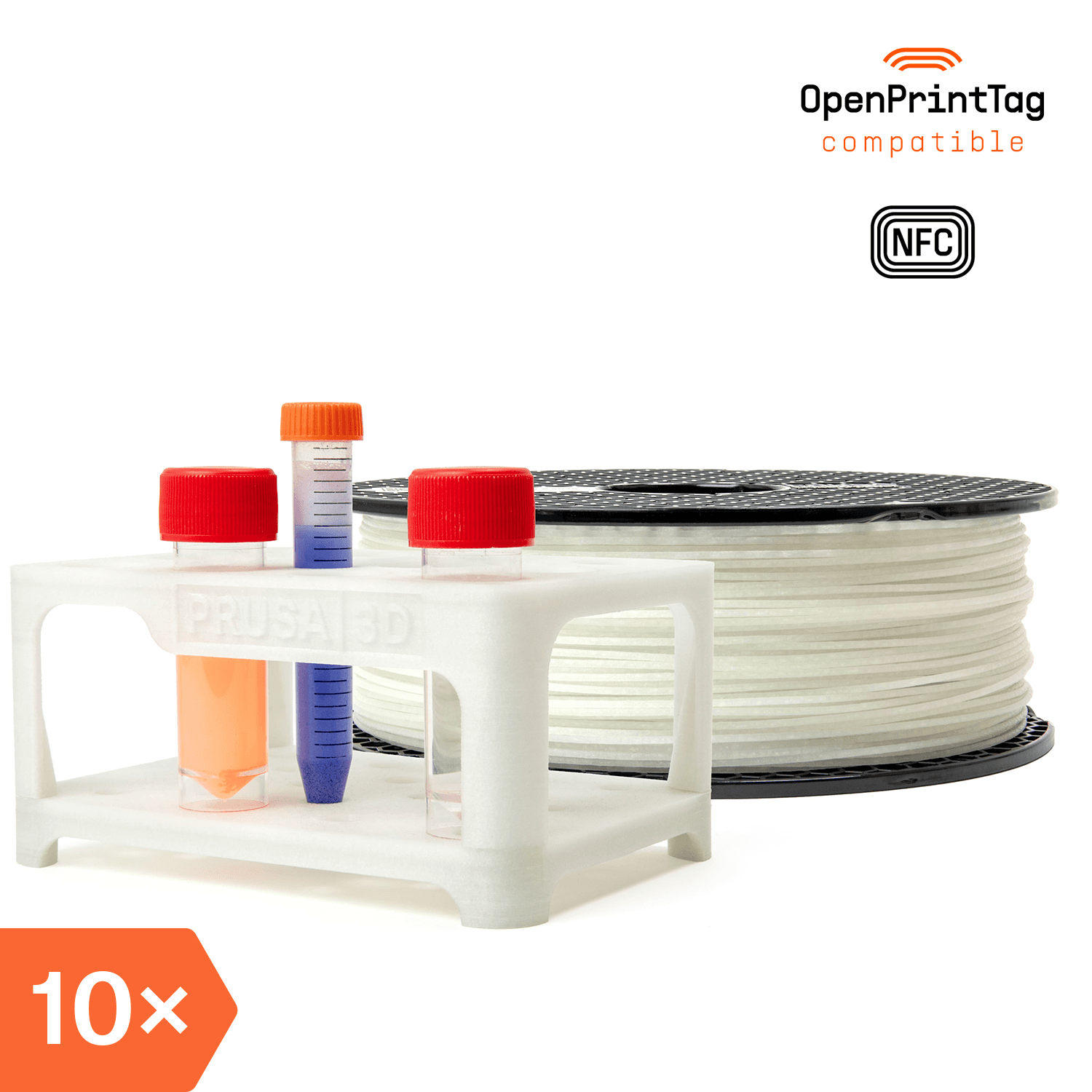
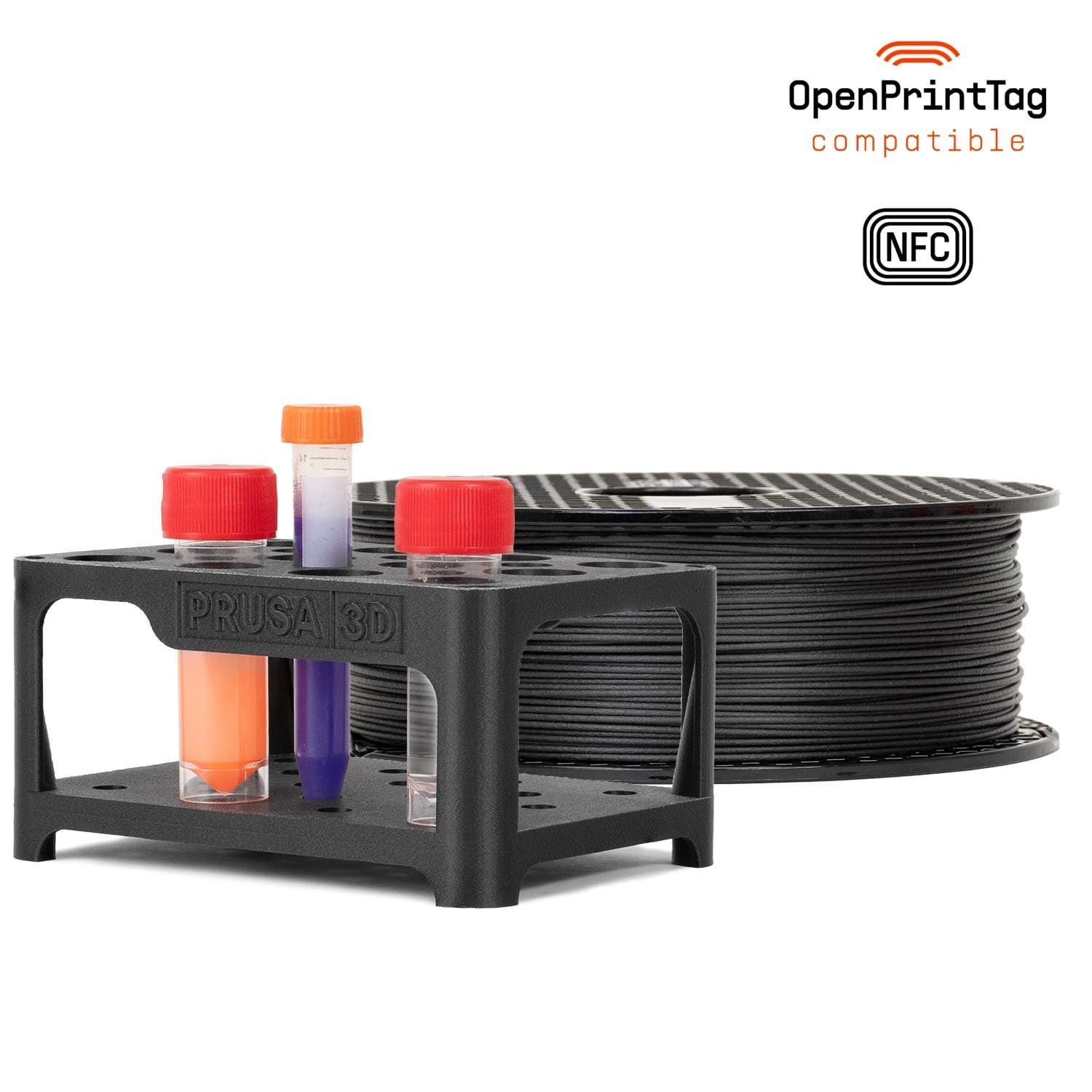
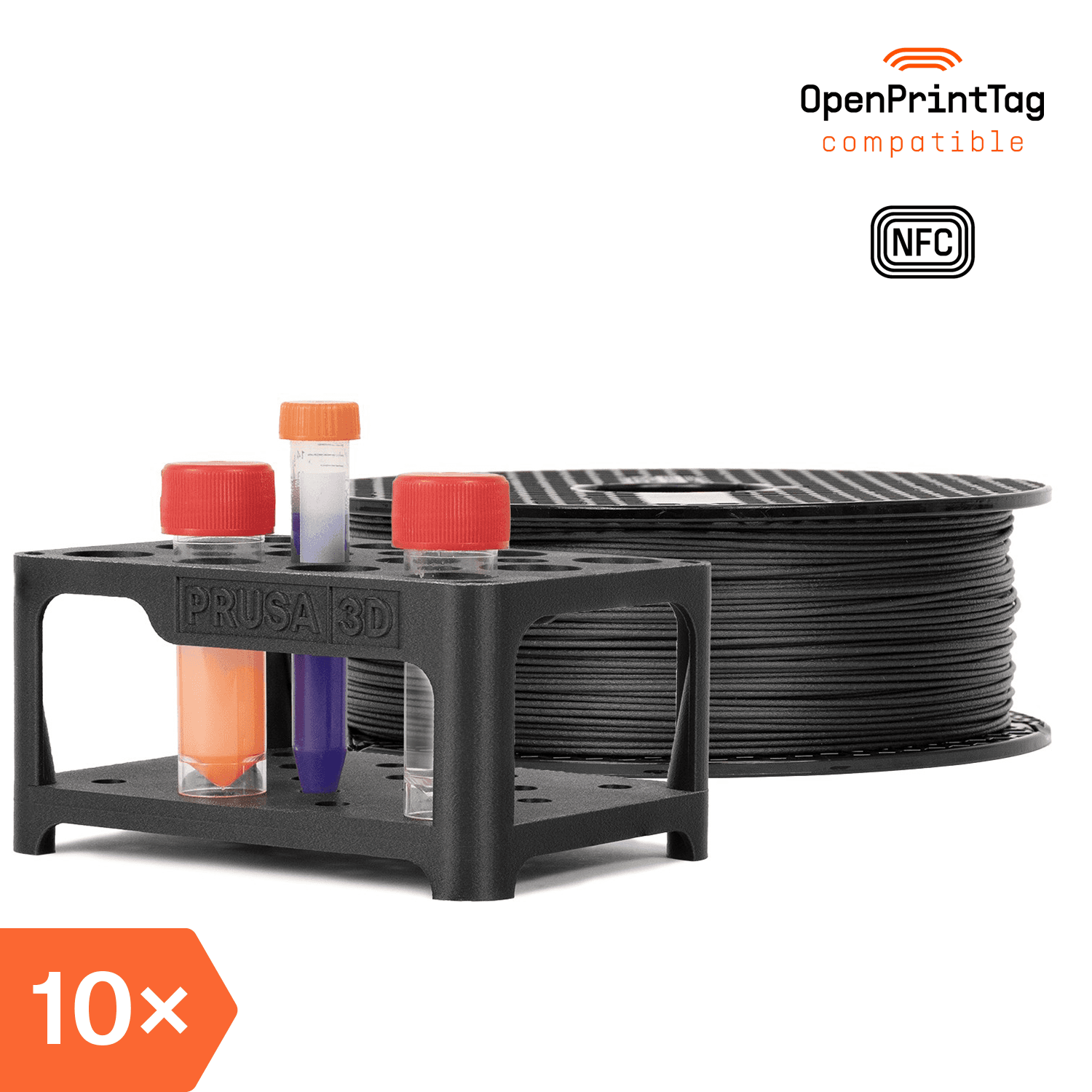
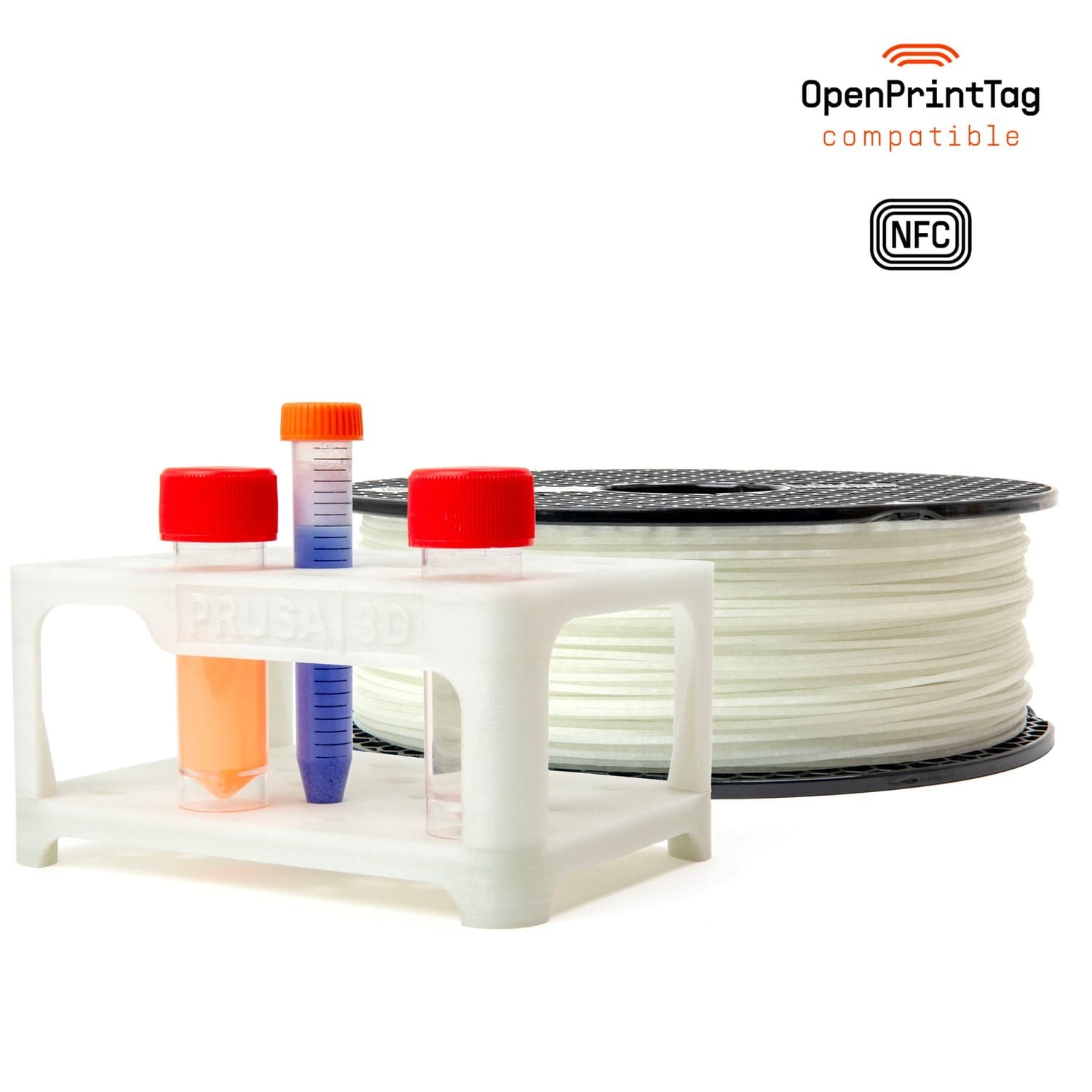
Prusament PP Glass Fiber Natural is a high-quality 3D printing filament based on polypropylene (PP), reinforced with glass fibers. This combination combines the excellent chemical resistance and high toughness of PP with the increased stiffness and dimensional stability provided by the glass fibers. The filament is particularly resistant to acids, alkalis, and solvents, making it ideal for use in harsh environments. For printing, a nozzle temperature of 220-245 °C and a bed temperature of 80-100 °C are recommended. Due to PP's tendency to warp, a heated print bed and the use of an adhesive such as Magigoo PP or a PVA glue stick are essential. An enclosed print chamber can further improve print quality. Suitable applications include functional prototypes, chemical-resistant containers, bearing parts, and housings for industrial applications. Strengths include high wear resistance and low density, while the abrasive nature of the glass fibers (requiring a hardened nozzle) and the challenging bed adhesion are among the limitations.
Material TypeThe base polymer type determines printability, strength, flexibility, and heat resistance
PP
Print TemperatureRecommended nozzle temperature range. Stay within range for best layer adhesion and surface quality
220°C - 245°C
Bed TemperatureHeated bed temperature to prevent warping. Some materials like PLA can print without a heated bed
80°C - 100°C
Diameter1.75mm is standard, 2.85mm for some printers
1.75 mm
Spool WeightNet weight of filament on the spool. Standard spools are 1kg (1000g)
850g
DensityMaterial density affects part weight. Higher density = heavier prints for the same volume
1.05 g/cm³
ReinforcementFiber reinforcement (Carbon/Glass/Kevlar) adds strength and stiffness but increases nozzle wear — use a hardened steel nozzle
Glass Fiber (GF)